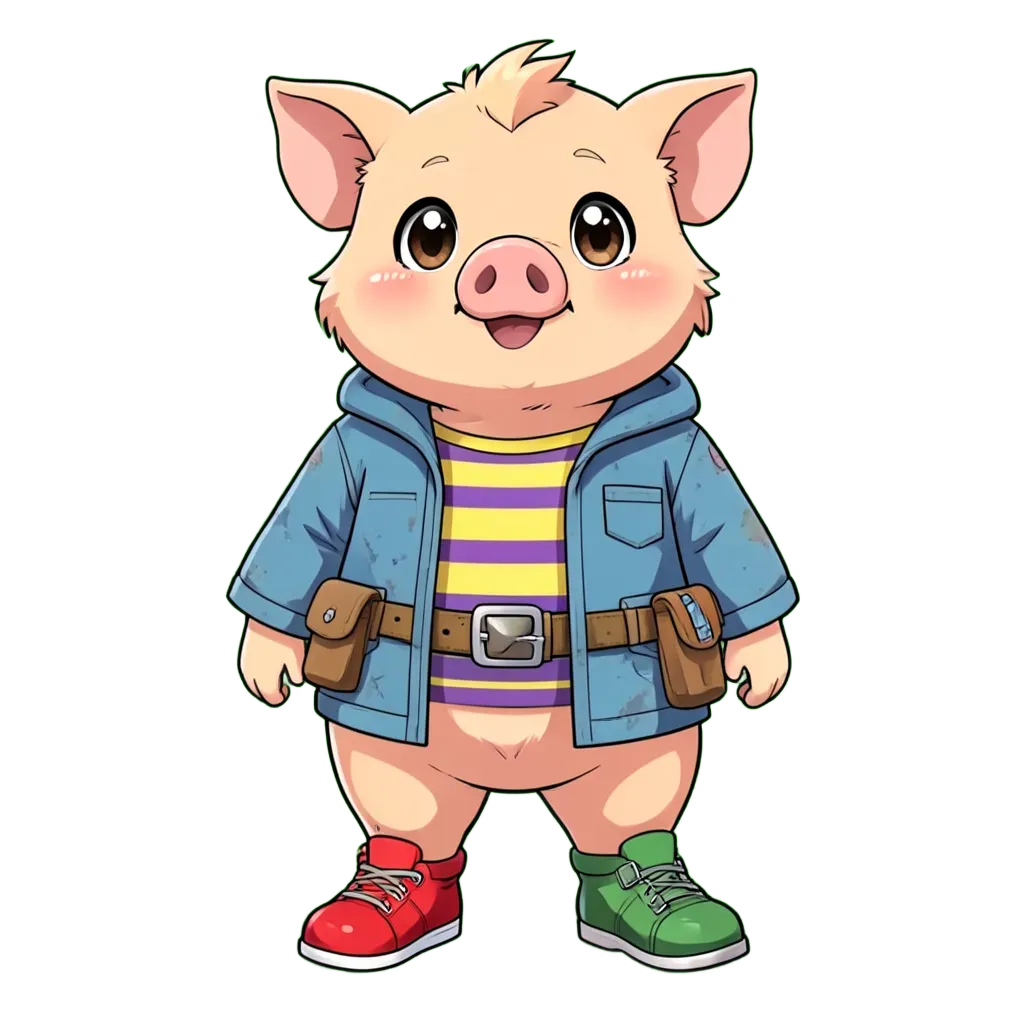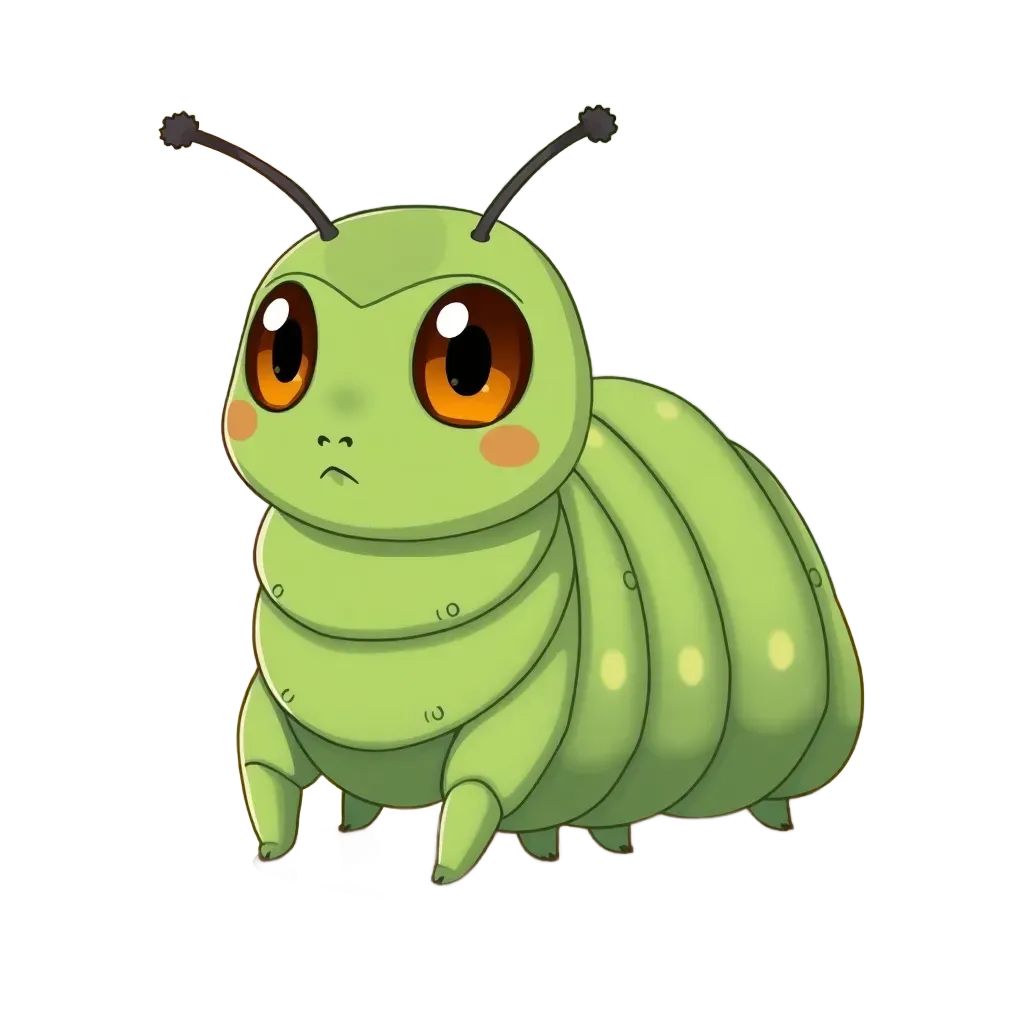
Cata
Lvl 5

Cata

The Clever Problem-Solver

CreatorCreated by Hunny

Who is Cata?

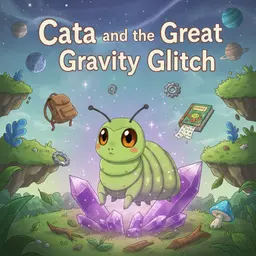
Cata is methodical and thoughtful, approaching challenges like puzzles to be carefully analyzed rather than obstacles to avoid. Quick-witted with a dry sense of humor, Cata often makes observations that surprise much larger creatures. Though young and still growing, carries an old-soul wisdom mixed with genuine enthusiasm for discovery. Can be stubborn when convinced of a logical solution, but remains open to new information. Speaks clearly and deliberately, choosing words with precision.
Inquisitive
Clever
Patient

The Backstory

Cata hatched in an overgrown garden at the edge of a library, surrounded by fallen books and curiosity-sparking artifacts. Unlike other caterpillars content to simply munch leaves, Cata was drawn to solving the problems of the garden ecosystem—from figuring out how to cross obstacles to understanding why certain plants thrived while others withered. This inquisitive nature was nurtured by a wise old moth who frequented the library and shared fragments of knowledge with the young caterpillar.
Cata

Stories with Cata

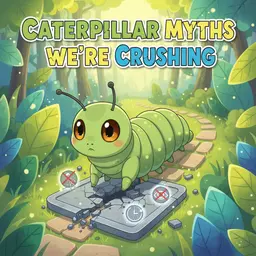
Caterpillar Myths We're Crushing

Caterpillar Myths We're Crushing

1. Caterpillars do not have bones like you do — instead, they have a flexible exoskeleton made of chitin that lets them bend and squeeze through tiny spaces like Cata does. 2. Not all caterpillars are green — some are bright orange, yellow, pink, or even have warning stripes, though Cata's sage green helps her blend into leaves. 3. Caterpillars cannot see very well — they have simple eyes that mainly detect light and shadow, which is why Cata relies more on her antennae to explore. 4. Caterpillars do not sleep like humans — they rest with their eyes open and can wake up instantly if they sense danger nearby. 5. Caterpillars breathe through tiny holes called spiracles, not through a mouth — these dots along Cata's sides let oxygen flow directly into her body. 6. A caterpillar's mandibles are not teeth — they are specialized jaw-like structures that can bite and chew leaves with incredible precision, just like Cata's thoughtful mouth. 7. Caterpillars do not have ears — they sense vibrations through their skin instead, so Cata can feel when other creatures are nearby. 8. Not all caterpillars are slow — some species can move as fast as 100 body-lengths per minute when escaping danger. 9. Caterpillars cannot jump or fly — their ten segments and prolegs are designed only for careful climbing and crawling, making Cata's methodical approach perfect. 10. Caterpillars do not choose what they eat — each species can only eat certain plants, and Cata will only munch on her specific leaf type.

0 min 144
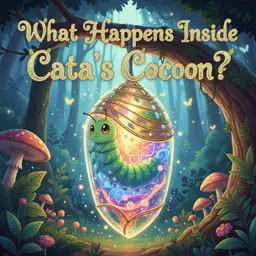
What Happens Inside Cata's Cocoon?

What Happens Inside Cata's Cocoon?

1. When Cata is ready to transform, she'll spin a chrysalis from silk — this protective case is stronger than steel of the same thickness. 2. Inside the chrysalis, Cata's entire body will dissolve into a liquid called 'caterpillar soup' — this sounds gross but it's actually how nature recycles her body parts. 3. Special cells called imaginal discs stay intact during metamorphosis — these are like blueprints that tell Cata's body how to rebuild into a butterfly. 4. The transformation from caterpillar to butterfly takes about two weeks — during this time, Cata will be completely still and invisible to the outside world. 5. Cata's ten body segments will reorganize into a butterfly's three main sections — her head, thorax, and abdomen will look completely different after transformation. 6. Wings will grow inside the chrysalis from tiny structures Cata already has — these wing buds have been hiding under her exoskeleton the whole time. 7. Cata's prolegs will disappear, replaced by six true legs and wings — she'll lose her crawling ability but gain the power of flight. 8. The chrysalis changes color as Cata develops inside — it might turn from green to brown or even metallic, signaling that transformation is complete. 9. Some chrysalises can survive freezing temperatures — if Cata pupates in winter, she can enter a special sleep called diapause until spring arrives. 10. When Cata emerges as a butterfly, she'll be completely new but still herself — her unique constellation spots might appear on her wings as faint markings.

0 min 92

Companions with Cata